Essay on Review Materials for Kindergarten Diversity Class
At that place has never been a more than of import time for teaching and promoting equality and diversity in Britain's classrooms. Out of over 13 million registered disabled people currently living in the U.Thousand., 800,000 are children under the age of 16.
With the U.K.'due south not-British population estimated to include effectually six.1 million people in 2018, over fourteen% of the state'southward population are classed as foreigners. Half-dozen dissimilar religions are being practised past various ethnic groups spread across Britain, and 18 ethic groups are recommended for apply by the UK government.
Statistics in 2017 revealed that over 1.1 1000000 U.K. residents over the age of 16 identified every bit LGBT, which equates to almost two% of the overall population.
In a social club so varied in terms of race, disability, and sexual orientation, equality and diversity must be promoted throughout U.Thousand. schools.
In this guide, we will discuss the pregnant of equality and diversity and the fundamental principles that schools should follow in their pursuit of multiculturalism and understanding in the classroom. Adjacent, we'll look at the reasons why equality and diversity are essential, and how y'all can promote this in your school.
We'll move on to outline a range of classroom activities designed to raise sensation of and promote multiculturalism. We'll also provide a checklist of questions for you to apply equally a point of reference equally y'all work to promote equality in your school environment. Finally, we'll hash out the 2010 Equality Act and its 9 characteristics.
The data in this guide will provide a point of reference for whatever teacher wanting to promote equality and diversity in the classroom.
What is equality and diversity?
Equality and diversity, sometimes called multiculturalism, is the concept of accepting and promoting people's differences. The key goal when promoting equality is to enhance awareness and brand sure that all individuals are treated equally and fairly. This is regardless of their age, gender, religion, inability, sexual orientation, or race.
When you promote diversity in the classroom, you can use a range of activities and principles to assistance students recognise and respect people'southward differences, creating an spread-out atmosphere. The promotion of diversity and equality in education is paramount for both students and teachers.
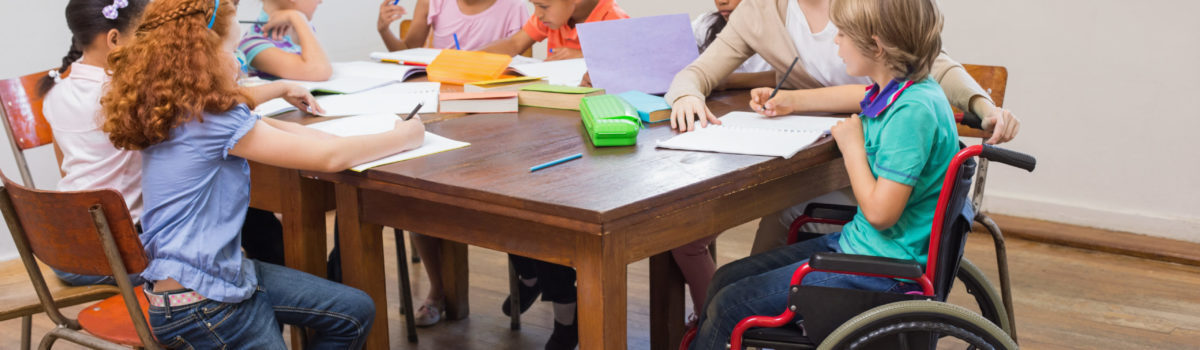
The goal is to create an inclusive classroom surroundings – a rubber place without prejudice – where students take the opportunity to thrive. Successfully didactics and raising awareness of variety works to highlight individual characteristics and traits that brand people unique rather than unlike.
Immature people need to have an understanding of equality and human rights. This knowledge helps them to understand how they should be treated and how to care for others. When y'all promote equality and teach these topics, you lot create a safety environment for students to challenge, discuss, explore, and grade lasting values, morals, and opinions.
When students are taught to respect diversity, they gain knowledge and understanding that tin aid them to improve relationships, tackle prejudice, and make positive decisions throughout their lives. In today's challenging and diverse gild, you must instil young students with positive and open-minded attitudes.
What key principles should schools follow?
While many schools volition take a unique approach to promote equality and diversity in the classroom, some principles can human activity as a ground for this promotion.
As yous talk over and plan your arroyo to encouraging and embracing equality in the classroom, you lot should consider the following principles:
1. All students are equal regardless of their religious behavior, sexual orientation, race, gender, and gender identity.
Although this is an important principle, yous should teach your students that this doesn't mean everybody in the classroom is treated the aforementioned. Occasionally, it means that people require extra help then that they are provided with the same opportunities and outcomes every bit others.
2 Differences are respected, recognised, and valued because diversity is a strength.
In your schoolhouse, all differences are taken into account as you work hard to eliminate the disadvantages and barriers with which some people are faced. These differences may chronicle to ethnicity, gender, faith, disability, or sexual orientation. You believe that diversity is a strength, and it should be celebrated and respected past all the school's students, teachers, and visitors.
iii. Positive relationships and attitudes are fostered throughout the schoolhouse.
Your students, staff, and visitors volition do good if you actively promote common respect and positive attitudes between communities and groups that differ from one another.
4. A shared sense of belonging and inclusion is encouraged in the classroom.
Yous want all members of your schoolhouse community to share a sense of belonging in both the school and the wider customs. This will help each individual to feel respected every bit an individual and to respect ane another. This feeling of mutual respect makes it easier for students to participate in school life fully.
v. We actively observe and promote equalities practised for our staff.
All schoolhouse policies and procedures are designed to benefit all employees and potential recruits in every aspect of their work. These procedures are agile throughout a fellow member of staff'due south career, from recruitment and promotion, through to personal development.
half-dozen. We accept the highest expectations for all our students.
You believe that all pupils can accomplish skilful progress and achieve their highest potential.
seven. Nosotros work hard to raise standards for all our students, especially those virtually vulnerable.
It's part of your school'south ethos to improve the quality of instruction throughout the most vulnerable groups of students. This helps to raise the standards throughout the whole school while actively promoting inclusion and respect.
viii. Nosotros challenge stereotyping and prejudice.
In your school, all incidences of prejudice-based bullying are reported and challenged. This includes racism, homophobia, or the bullying of somebody due to a disability. Yous also actively claiming gender-based and whatsoever other stereotypes than are causing concern.
As y'all piece of work to create your ain principles for your equality and diversity policy, your objectives may include.
- Developing an ethos that values and respects all people.
- Actively promoting the equality of opportunity.
- Preparing all pupils for life inside a diverse club.
- Fostering good relations amidst both the school community and the wider communities with which you piece of work.
- Eliminating all forms of unfair discrimination, harassment, and other oppressive behaviour, using the School Disciplinary Procedures when appropriate.
- Delivering diversity and equality through school policies, practice, and procedures.
- Using all bachelor resource to eliminate barriers which could discourage or limit access to school activities and provision.
- Taking positive action to offer support and encouragement to groups and individuals whose progress could be limited by cultural expectations and stereotypes.
- Monitoring the implementation of equality and diversity throughout the school.
- Setting targets for improvement and evaluating the touch on of equality and diversity action on achieving the goals of the schoolhouse.
Why is equality and variety important?
When you provide an equitable educational activity organisation within your schoolhouse, you back up an environment that helps all students develop core knowledge and skills. This development allows them to get more than productive members of society from an early age.
Past giving all students an equitable starting time, teachers and schoolhouse staff can pb the way for better social and economic outcomes for students, regions, and guild as a whole. If all of your students are given all that they need to thrive, a level of mutual respect can exist formed between teaching staff and students. This leads to productive classrooms, with staff feeling good about their lessons and students actively engaged in learning.
As a teacher, some of your responsibilities when promoting equality and diverseness may include:
- Making it very clear to students the level of conduct that y'all expect to see in their interactions and dealing appropriately and promptly with bad behaviour.
- Finding opportunities for students to piece of work collaboratively in diverse groups within your didactics schedule.
- Paying shut attending to the needs of students in diverse groups equally part of your class design. Every bit yous develop your curriculum, you may wish to include an equality analysis. This will help yous to make sure that proper consideration is given in terms of accessibility and inclusivity.
- Finding respectful and creative ways to apply the multifariousness of your students to improve the overall learning experience for everyone.

How tin we promote it at school?
It's paramount that people empathise equality from an early on historic period. Teaching diversity and equality to young students helps to instil moral and social traits that will back up their growth throughout their younger years and into adult life.
By teaching these topics, each student has access to a rubber place to challenge, discuss, explore, and grade their values and opinions.
To promote equality and diverseness in your schoolhouse, you should consider:
- Challenging negative attitudes among students.
- Fugitive stereotypes in curricular resources and examples.
- Setting clear rules regarding how people care for each other.
- Treating all students and staff equally and fairly.
- Creating an spread-out environment for students and staff.
- Actively using resources that have multicultural themes.
- Working to promote multiculturalism in lessons.
- Creating lessons that reflect and promote diversity in the classroom.
- Making certain that all students accept equal access to participation and opportunities.
- Using a diversity of assessment methods.
- Using a range of teaching methods.
- Ensuring that all procedures and policies are not-discriminatory.
- Making sure that classroom materials never discriminate against anyone and are attainable to all even if this means adapting to sound, large print, or video.
Checklist of questions for teachers on equality and variety in the classroom:
Lesson Planning
- Take you incorporated a range of learning styles into your planning?
- Is the variety of your students reflected in your lesson plans?
- Is your learning environs set up to be accessible to all students?
- Is the linguistic communication in your learning materials not-racist/sexist/discriminatory?
- Exercise you lot review your resources/lesson plans regularly?
Policies and Procedures
- Have you provided clear instructions on how people should exist treated?
- Are all staff and students treated equally?
- Do your teaching staff represent minority groups?
- Do any schoolhouse policies and procedures discriminate against anybody?
- Are negative attitudes actively challenged?
Lesson Commitment
- Do you provide immediate back up for all students in need of actress help?
- Do you create and promote an all-inclusive environment for students and staff?
- Do you use a range of assessment methods?
- Do you provide a range of didactics methods?
- Exercise you promote multiculturalism in lessons?
Resources
- Are your teaching resources adjusted into audio/braille/large print wherever necessary?
- Exercise your resources utilise multicultural themes?
- Do y'all actively avoid using stereotypes in classroom resources and examples?
- Practice all students have equal access to participation and opportunities?

Classroom activities to promote equality and diverseness
- Do you strive to include diverseness in your various teaching methods?
- Practise you actively reference and apply examples from unlike traditions, cultures, and religions?
- Are you doing your all-time to challenge society's stereotypes?
Below are some classroom ideas and activities that tin can be adapted to encourage equality and diverseness in your school.
Provide resources that include various images
When you choose books, videos, activities, and worksheets for your students, they should include people from a range of backgrounds or people that accept disabilities. This helps to teach students that these differences are perfectly 'normal'. Shy abroad from any resources that utilize blatant stereotypes, as these reinforce negative connotations that are prevalent in society.
Themed weeks
Host 'Indian week', 'Inability week', or 'LGBT sensation week' to educate your students near the chosen theme in a prophylactic and not-discriminatory environment. During these themed weeks, y'all could heed to music, attempt different foods, play themed games, scout appropriate videos, and teach relevant facts to normalise these themes in the minds of students. We recommend incorporating the theme into all areas of the curriculum as this helps to maintain involvement and reinforce the topic.
Sample foods
Set upwardly an American diner, Italian restaurant, or Castilian Tapas buffet in your classroom and provide sample foods and drinks for your students that are typical in these cultures. How do these foods differ from what students would normally eat? What do they dislike or like nearly the foods? Endeavour to teach the students how these foods have become office of the corresponding civilisation and why some foods are not eaten in certain cultures/countries.
Teach languages
Teach your students a few words in Spanish, Russian, Standard arabic, Chinese to heighten awareness of the different languages effectually the world. If there are whatsoever bi-lingual students in the form, see if they tin can help. Discuss the benefits that speaking more than than 1 language provides and the world'due south most popular languages.
Utilise advisable current news events
Promote good for you discussions and debates by referring to contemporary issues to decide your students' views and understanding of various situations. For case, detect a news story about a Paralympic success or overcoming stereotypes – What do your students call up about this? Try to encourage positive discussion around a range of interesting and diverse topics.
Hash out items that come from abroad
This is a great activity that can exist completed at the beginning of a lesson to innovate multicultural themes. Encourage your students to list all the things in their lives that come from abroad. As they read out their responses, note how many of them are surprised at the results.
Hold regular quizzes
Each calendar week, question students on a predetermined theme to find out how much they know well-nigh different disabilities, cultures, religions etc. Some teachers ask a couple of students to research and write the quiz each week. This helps to teach the importance of enquiry and besides gives students a sense of responsibleness.
Male or female?
This activity helps students to explore the idea of stereotyping. Teachers tin can provide students with a listing of fifteen dissimilar professions and ask them whether each 1 is a 'woman'due south job' or a 'human's job'. Next, their answers tin be explored as a form to see which stereotypes people harbour.
Agree discussions and debates
Split your students into 2 teams. Requite one grouping a statement, east.g. "I'k the oldest member of staff in the office, and I've been sacked considering of my age". While this squad defends this statement, the other team should be encouraged to challenge what has been said.
- How do both teams experience one time the word has finished?
- Which of the teams would students prefer to have been on and why?
Visual/auditory/physical harm games
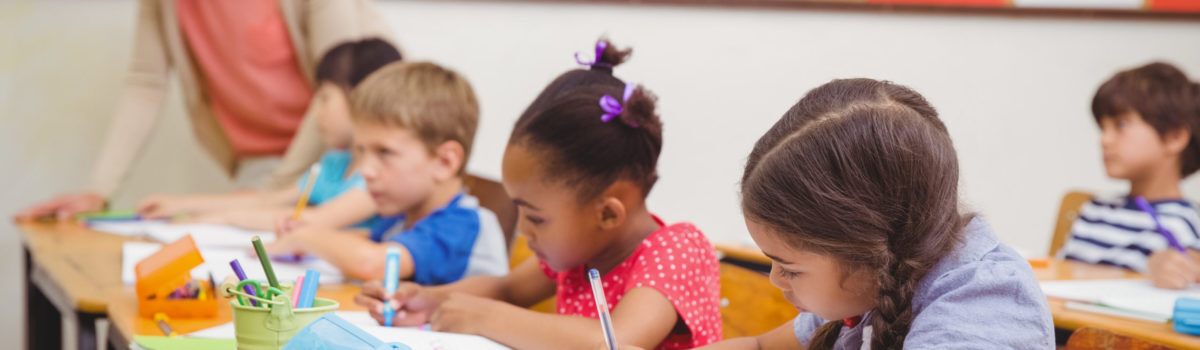
Apply classroom games to heighten awareness of various physical disabilities. Can your students guide a blindfolded classmate around the classroom? Are they able to lipread what is being said on a muted video? Tin can they practise up their school tie using but one hand? Use these activities to display the difficulties faced by people with disabilities and how such people learn to adapt and overcome their differences.
Tell stories
Discover a range of stories that challenge stereotypes and perceptions, such as David and Goliath, which proves that first impressions are deceptive. Stories and anecdotes similar to this volition encourage your students to challenge their beliefs and expect at the world from a new perspective.
Involve the community
Your students and their families can provide and share a wealth of knowledge almost themselves. Consider inviting family unit members or parents into your classroom as community experts. Encourage them to read a book or show a short film about an issue that is relevant to their culture or a topic nigh which they are passionate.
Invite members of the wider school community to visit the class every bit guest speakers and talk openly about a topic that explores equality and diversity. The more students are exposed to various people and groups, the more prepared they will exist for life across the classroom.
The Equality Act 2010
The Equality Act has been active since 1st Oct 2010. It combines more than 116 dissimilar pieces of legislation into one single Deed. This Act was developed to provide a legal framework that protects the rights of individuals and promotes equal opportunities for all U.Thousand. residents.
The Equality Act 2010 provides Uk with a discrimination law that protects individuals from being mistreated and encourages a more than equal and fair society.
The Equality Deed includes nine characteristics that must be considered when promoting diversity and equality in the classroom:
- Age.
- Disability.
- Gender reassignment.
- Marriage and civil partnership.
- Pregnancy and maternity.
- Race.
- Religion or belief.
- Sexual practice.
- Sexual orientation.
These characteristics tin human activity as a point of reference as you plan lessons and create source materials to encourage equality and fairness in all your teachings.
Summary
In this piece, we've outlined the importance of educational activity students about equality and variety from an early age. We've suggested ideas ranging from challenging negative attitudes in the classroom, through to inviting diverse guest speakers to share their experiences with the school community.
We've listed a range of classroom activities designed to enhance awareness of and celebrate the differences that make people unique. Nosotros've also highlighted the importance of inclusion, and how students should be taught that some people require more help than others.
The idea of promoting equality and variety in the classroom is that it helps equip students with the attitudes and skills required to thrive throughout their lives. Past instilling positive outlooks and challenging stereotypes from an early historic period, students tin mature with an all-encompassing, unbiased view on life.
By implementing the suggestions mentioned throughout this piece, yous can assistance make a divergence in the lives of your students, their communities, and gild as a whole.
Equality and Diversity for Teachers
Only £xx
Study online and gain a full CPD certificate posted out to y'all the very next working day.
Take a look at this grade
Source: https://cpdonline.co.uk/knowledge-base/safeguarding/promoting-equality-and-diversity-in-the-classroom/

Post a Comment for "Essay on Review Materials for Kindergarten Diversity Class"